Choosing the right DC Micro Vibration Motor can significantly enhance your project. These motors are small but powerful. They generate vibrations that can improve user experience in various applications. Whether you are designing a smartphone, wearable device, or gaming controller, the motor's quality matters.
Understanding the features of DC Micro Vibration Motors is essential. Factors like size, voltage, and vibration frequency impact performance. Sometimes, manufacturers provide misleading specifications. Thus, it's crucial to verify claims through reliable sources. Consider the specific requirements of your application before making a choice.
Your experience with these motors may vary based on your selection. Not every motor will meet your expectations. Research is vital to avoid costly mistakes. Explore various options and seek expert advice. This process can help you find the best DC Micro Vibration Motor for your needs.
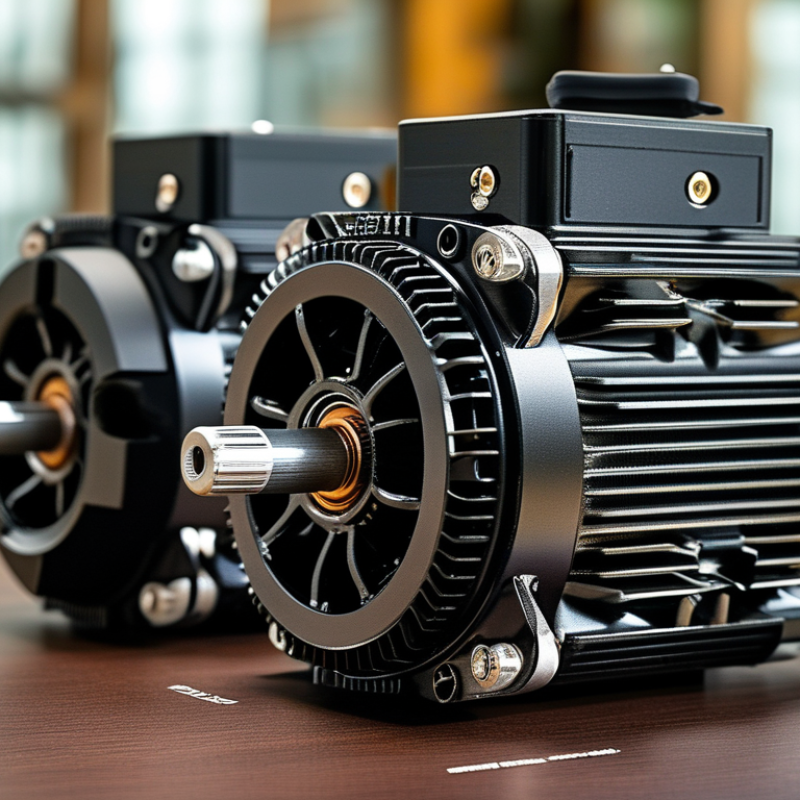
DC micro vibration motors are crucial components in various modern applications. These small devices create vibrations that enhance user experience. They are often used in smartphones, wearables, and gaming controllers. Understanding their mechanics can help you choose the right one for your needs.
These motors typically operate via a simple direct current (DC) mechanism. When electricity flows through the coil, it creates a magnetic field, causing the rotor to spin. This spinning motion generates vibrations. Different designs allow for varied intensities and frequencies. Proper application can significantly impact user satisfaction. For instance, strong vibrations can provide more tactile feedback in a game, while softer vibrations might be preferred in mobile notifications.
Choosing the right vibration motor requires careful consideration of specific needs. Factors include size, voltage, and vibration frequency. Not all motors provide the same output or durability. You might find it beneficial to test several options before settling on one. Expect to encounter limitations and challenges along the way. Evaluating your choices critically can lead to better selection outcomes.
When selecting a DC micro vibration motor, various specifications are crucial. Start by considering the motor's voltage and current ratings. For typical applications, motors that operate within a range of 1.5V to 12V are common. According to industry reports, motors with a lower voltage can enhance battery life in portable devices. Additionally, understanding the current consumption is essential. A motor with a current draw under 100 mA is often suitable for compact devices.
Another important aspect is the vibration frequency. Most DC micro vibration motors operate between 100 Hz to 10 kHz. Research indicates that, within this range, 200 Hz to 500 Hz is ideal for consumer electronics, providing an appealing tactile feedback. Furthermore, the vibration amplitude should align with the application. A higher amplitude can offer a stronger user experience but may lead to increased power consumption.
Size and weight also play significant roles. For instance, many devices are designed to fit compact spaces. Choosing motors under 10 grams can keep devices lightweight. Lastly, pay attention to the motor’s lifespan. Reports suggest the average durability for quality motors is 50,000 to 100,000 hours, impacting overall device reliability. Choosing wisely requires balancing these specifications based on the application and user experience.
When selecting a DC micro vibration motor, understanding the strengths and weaknesses of different types is vital. One common type is the coin vibration motor, known for its compact size and efficiency. These motors excel in applications requiring minimal space, like wearables. However, their output may be limited for high-intensity tasks.
Another option is the cylindrical vibration motor. These motors tend to provide a stronger vibration compared to coin types. This makes them suitable for devices needing a more robust feedback mechanism. Nevertheless, their larger dimensions can make them challenging to fit into tighter designs.
Both types have unique attributes that may not always be ideal. Users must consider the application’s specific requirements. For instance, the balance between size, power, and vibration strength can be tricky to navigate. Investing time in testing different motors can help make the right choice. Each option presents its own set of challenges that require careful evaluation.
| Type | Vibration Strength (m/s²) | Power Consumption (W) | Operating Voltage (V) | Weight (g) | Noise Level (dB) | Applications |
|---|---|---|---|---|---|---|
| Eccentric Rotating Mass (ERM) | 5-150 | 0.1 - 0.5 | 3 - 6 | 1 - 10 | 40 - 60 | Mobile phones, handheld devices |
| Linear Resonant Actuator (LRA) | 1-100 | 0.03 - 0.2 | 1.5 - 3.6 | 0.5 - 8 | 30 - 50 | Wearable devices, gaming controllers |
| Coin Vibration Motor | 8-200 | 0.1 - 0.6 | 3 - 12 | 2 - 7 | 50 - 70 | Smartwatches, fitness trackers |
| Back-and-Forth Motor | 10-120 | 0.2 - 0.8 | 5 - 12 | 5 - 15 | 45 - 65 | Home appliances, automotive |
When selecting a DC micro vibration motor, performance metrics play a crucial role. Vibration frequency refers to how often the motor vibrates per second. Common frequencies for micro vibration motors range from 100 Hz to 10,000 Hz. According to industry reports, an optimal frequency for tactile feedback in consumer electronics typically falls between 150 Hz and 250 Hz. This range provides a balanced experience, enhancing user interaction without being overly intrusive.
Amplitude is another vital metric that measures the intensity of the vibration. It is generally defined in millimeters (mm). Standard amplitude levels for micro motors vary widely, but effective designs often range from 0.1 mm to 0.7 mm. Motors with lower amplitudes are suitable for small devices, like wearables. Conversely, higher amplitudes are better for applications needing more tactile response, such as gaming controllers. Reports suggest that users prefer vibrations that are neither too strong nor too weak, indicating the importance of fine-tuning this metric.
While these standards provide guidance, specific application requirements may differ. Some environments may necessitate adjusting frequencies or amplitudes for optimal performance. It’s essential to evaluate the motor's response under varied conditions. This reflection can lead to selecting the most appropriate motor, ensuring it meets desired specifications effectively.
When sourcing a DC micro vibration motor, cost-effectiveness is crucial. You want a product that meets your needs without straining your budget. Begin by establishing a clear budget. Consider not only the price but also the long-term value that the motor will bring. Balance initial costs with potential operational efficiencies. Sometimes, spending a bit more can lead to reduced maintenance and longer lifespan.
Quality should never be compromised for lower costs. It’s vital to research materials and design specifications. Some manufacturers reduce production costs at the expense of quality. This trade-off often results in performance issues later. Look for motors with a good reputation. Reading reviews and seeking expert opinions can provide valuable insights.
Be mindful of your sourcing options. Buying locally may increase costs, but it can also provide better support and faster delivery. On the other hand, international suppliers might offer lower prices but come with risks. These can include shipping delays and customs issues. Reflect on your priorities and choose wisely. The decision might not be straightforward, but clarity in your goals will guide you.
This chart illustrates the cost-effectiveness scores of various DC micro vibration motors, indicating their performance in terms of price versus quality. A higher score denotes better cost-effectiveness, aiding in selecting the right motor based on budget considerations.
: Many motors operate between 1.5V and 12V.
Current draw affects battery life and device efficiency.
Frequencies between 200 Hz and 500 Hz provide good tactile feedback.
Higher amplitude can enhance feedback but may increase power consumption.
Smaller motors, under 10 grams, help keep devices lightweight and compact.
They typically last between 50,000 and 100,000 hours.
They are compact and efficient but may lack output for intense tasks.
They provide stronger vibrations, suitable for robust feedback mechanisms.
Users need to consider the balance of size, power, and vibration strength.
It helps ensure the motor meets specific application requirements effectively.
Choosing the best DC Micro Vibration Motor for your specific needs involves a thorough understanding of their fundamental principles and applications. These tiny motors are essential in a variety of devices, providing haptic feedback and motion. Key specifications to consider include vibration frequency, amplitude, and overall performance metrics, as these factors directly impact the efficiency and effectiveness of the motor in your application.
When comparing different types of DC Micro Vibration Motors, it's important to weigh their strengths and weaknesses in relation to your requirements. Considerations of cost-effectiveness are also crucial, as balancing quality with budget constraints can significantly influence your decision. By evaluating all these aspects, you can select a DC Micro Vibration Motor that best suits your project's needs, ensuring optimal functionality and performance.
