In the rapidly evolving world of electric motors, the Brushless DC Motor stands out for its efficiency and versatility. Dr. Emily Tran, a leading expert in motor technology, emphasizes, "The shift to brushless designs marks a new era in performance and reliability." This insight highlights why buyers are increasingly interested in brushless designs.
Many industries are adopting Brushless DC Motors due to their advantages. They offer quieter operations and reduced maintenance needs, thanks to their lack of brushes. These motors are also more energy-efficient, contributing to cost savings over time. However, some buyers might find the initial investment daunting. Understanding the long-term benefits can help bridge this gap.
While the benefits are compelling, buyers must also be aware of the learning curve associated with these motors. Integrating Brushless DC Motors into existing systems may require adjustments. Still, the trade-off is worthwhile when considering the overall advantages. Investing in such technology could indeed enhance productivity and reliability in various applications.
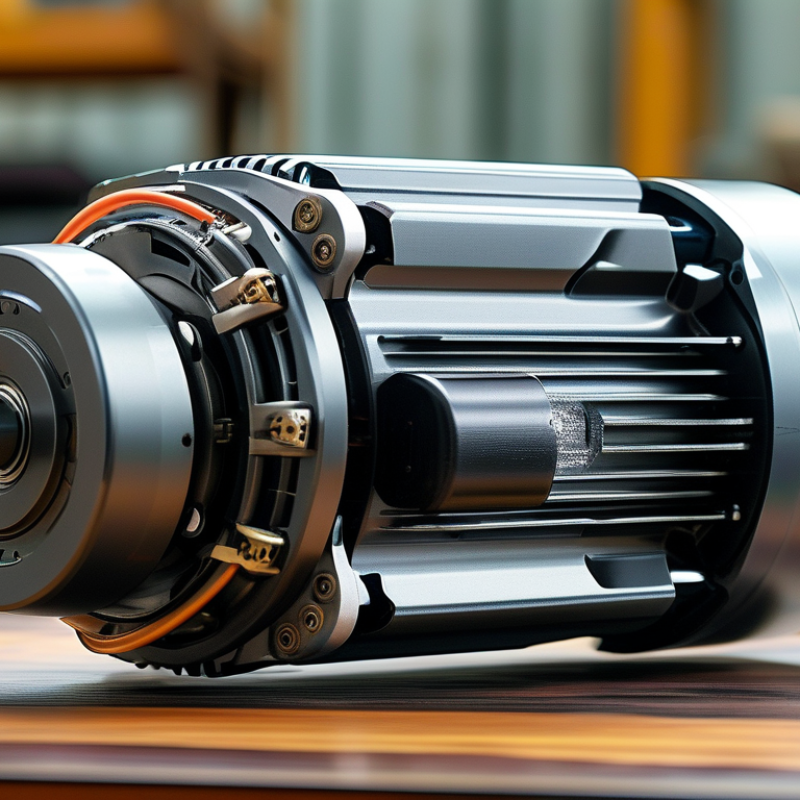
Overview of Brushless DC Motors and Their Functionality
Brushless DC (BLDC) motors have garnered attention among various industries for their unique advantages. These motors utilize an electronic controller to drive the motor windings. Unlike traditional brushed motors, they eliminate friction and wear, providing enhanced durability. According to a report by MarketsandMarkets, the global brushless motor market is expected to reach USD 27.99 billion by 2025, highlighting their rising demand.
One significant advantage of BLDC motors is their high efficiency. They typically achieve about 85-90% efficiency, translating to lower energy consumption in applications ranging from automotive to industrial machinery. Additionally, they generate less heat during operation, which can prolong their operational life. However, not all applications may benefit equally. Depending on the system's requirements, installation could be complex and may require specialized skills.
Tips: For buyers considering BLDC motors, assess your application’s specific electrical demands. Also, ensure that the motor controller matches the motor specifications to optimize performance. Keep in mind that while BLDC motors may have a higher upfront cost, their long-term savings on energy can be significant.
Another key aspect is their performance consistency. BLDC motors can maintain speed and torque across various loads. This is critical in applications requiring precision. Yet, it's essential to note that these motors can be sensitive to voltage spikes, which may lead to failures. Understanding the operational environment is crucial when selecting a motor type to avoid potential issues.
Benefits of Brushless DC Motors
Key Advantages of Brushless DC Motors for Consumers
Brushless DC motors have gained traction among consumers for various compelling reasons. One of the primary advantages is their energy efficiency. According to a report by the U.S. Department of Energy, brushless motors can operate at an efficiency level of over 90%. This can lead to significant savings on electricity bills over time, making them a wise investment for both household and industrial applications. The reduced energy consumption also aligns with eco-friendly initiatives, appealing to environmentally conscious buyers.
Another key benefit is their longevity and reliability. Brushless motors typically have a longer lifespan than brushed counterparts because they lack carbon brushes that wear out over time. Industry averages suggest a lifespan exceeding 10,000 hours under normal operating conditions. This durability minimizes maintenance costs and downtime. Furthermore, their advanced design produces less noise and vibration, enhancing user experience in sensitive environments like hospitals or quiet offices.
While the benefits are substantial, potential buyers should also consider the initial cost. Brushless DC motors tend to be more expensive upfront compared to traditional motors. This higher price might deter some consumers. However, many find the long-term savings on maintenance and energy worth the investment. It’s essential for buyers to assess their specific needs and application requirements before making a decision.
Energy Efficiency and Cost Savings with Brushless DC Motors
Brushless DC motors have gained attention for their enhanced energy efficiency. According to a report by the U.S. Department of Energy, brushless motors can be up to 90% efficient. This contrasts sharply with brushed counterparts, which often fall below 75% efficiency. For businesses, this translates to significant energy savings over time. Companies that upgrade or retrofit to these motors can expect reduced energy costs, which can positively affect their bottom line.
In addition to efficiency, maintenance cost savings are notable. Brushless motors have fewer moving parts, leading to lesser wear and tear. This means longer lifespans and reduced downtime for maintenance. The Electric Power Research Institute estimates that maintenance costs can be reduced by up to 50% when switching to brushless technology. However, initial investment costs can be higher, which may cause hesitation among buyers. Evaluating long-term savings is critical in understanding the overall cost-effectiveness.
The adoption of brushless motors is also influenced by environmental regulations. Many industries face stricter energy use policies. Brushless DC motors can help companies meet these regulations while also enhancing their sustainability profile. Yet, transitioning from traditional motors necessitates proper training and understanding of new systems. Therefore, buyers must weigh the benefits and challenges.
Durability and Maintenance Benefits of Brushless DC Motors
Brushless DC motors (BLDC) offer notable durability advantages over traditional motors. According to a 2022 industry report from Research and Markets, the lifespan of a brushless motor can exceed 30,000 hours. This is largely due to the absence of brushes, which are prone to wear. Without brushes, there's less friction and heat generation. This results in a more reliable performance over time.
Maintenance needs of brushless motors are also significantly reduced. A study from the Institute of Electrical and Electronics Engineers (IEEE) found that maintenance frequency is 25% lower compared to brushed motors. Users appreciate that these motors often don't require regular replacement parts or extensive servicing. Even in demanding environments, brushless motors demonstrate resilience. They operate effectively in high temperatures and dusty conditions.
Yet, the initial investment is often higher. Buyers may be hesitant to choose brushless motors due to upfront costs. However, examining the total cost of ownership reveals that savings on maintenance and replacements can offset this expense over time. Adopting a brushless DC motor could mean lower long-term costs, despite higher entry expenses. Understanding these dynamics is essential for informed buying decisions.
Applications of Brushless DC Motors in Various Industries
Brushless DC motors are transforming industries due to their efficiency and reliability. In the aerospace sector, these motors are essential for applications like drone propulsion and flight control systems. Reports indicate that this industry is expected to grow at a CAGR of 8.3% from 2021 to 2026. This growth is driven by the motors' lightweight design and superior power-to-weight ratio.
In the automotive field, brushless DC motors are increasingly used in electric and hybrid vehicles. They provide better torque control and longer life compared to traditional motors. A recent study projected that by 2025, electric vehicle sales will reach 20 million units, significantly impacting the demand for brushless motors. These motors support regenerative braking, enhancing overall system efficiency.
Manufacturing and robotics also benefit from brushless DC motors. Their precision and energy efficiency contribute to automation advancements. Industries are adopting these technologies to boost productivity. However, the initial setup cost can be high, causing hesitation for some businesses. Evaluating long-term savings and operational costs becomes crucial for making informed decisions.
FAQS
: They achieve about 85-90% efficiency, reducing energy consumption significantly.
Brushless motors typically last over 10,000 hours, while traditional motors wear down faster.
Not always. The system's needs may complicate installation and require specialized skills.
They have fewer moving parts, leading to 50% lower maintenance costs compared to traditional motors.
Stricter energy policies encourage companies to switch, enhancing sustainability while meeting regulatory demands.
Assess specific electrical requirements and ensure compatibility with motor controllers for optimal performance.
They are designed to produce less noise and vibration, making them suitable for sensitive environments.
Higher upfront costs might discourage some, despite long-term savings on energy and maintenance.
Yes, they can be sensitive to voltage spikes, potentially leading to operational failures.
Yes, their energy efficiency aligns well with environmentally conscious goals, attracting specific buyers.
Conclusion
Brushless DC Motors have gained significant popularity due to their numerous advantages for consumers. These motors operate without brushes, which enhances their efficiency and reduces wear, resulting in lower maintenance needs and extended durability. Their energy efficiency not only contributes to cost savings, but also makes them an environmentally friendly option, as they consume less power while delivering high performance.
In various industries, Brushless DC Motors find applications in areas such as automotive, robotics, and HVAC systems, showcasing their versatility and reliability. With the increasing demand for efficient and long-lasting machinery, the benefits of Brushless DC Motors position them as a preferred choice for both manufacturers and consumers alike.
